
Introduction
Ever wondered why some businesses always pop up first on Google while others remain invisible? That’s the magic of SEO. Search Engine Optimization (SEO) isn’t just a fancy digital marketing term—it’s the secret sauce that helps businesses grow online. In blogging, SEO becomes even more powerful because it makes your content visible to the right audience at the right time.
Understanding SEO in Simple Terms
So, what exactly is SEO? In simple words, SEO is the practice of improving your website and blog so search engines like Google can find, understand, and rank your content. Think of it as setting up a shop in a busy marketplace rather than in a hidden alley—SEO puts your blog where your audience is looking.
Why Businesses Should Care About SEO
Let’s be honest—most people today search online before making a purchase. If your business isn’t visible on search engines, you’re missing out on potential customers. Studies show that the majority of clicks go to the first few results on Google. That means if your blog isn’t ranking high, you’re practically invisible.
The Role of SEO in Blogging
A blog is more than just articles—it’s a marketing tool. Every blog post optimized with SEO acts like a digital salesperson, working 24/7 to bring new visitors. Blogs not only share valuable information but also strengthen your brand’s authority when paired with strong SEO strategies.
Benefits of SEO for Business Blogs
1. Increased Website Traffic
SEO-optimized blogs appear in search results, driving more visitors to your site. More traffic means more chances to convert readers into customers.
2. Builds Trust and Credibility
Ranking high on Google is like getting a stamp of approval. People trust businesses that show up at the top because they believe Google filters the best results.
3. Cost-Effective Marketing
Unlike paid ads, which stop the moment you stop spending, SEO keeps working. A single optimized blog can bring traffic for months or even years.
4. Long-Term Sustainable Results
SEO is like planting a tree—it takes time to grow but offers shade for years. Blogs with SEO continue attracting traffic without extra costs.
SEO vs. Paid Advertising
Paid ads can give instant results, but they’re expensive and temporary. SEO, on the other hand, builds a strong foundation. While it takes time, the results are long-lasting. Smart businesses combine both, but SEO should be the backbone.
Key SEO Elements for Blogs
1. Keyword Research
Choosing the right keywords ensures your blog answers what people are actually searching for.
2. On-Page Optimization
This includes meta titles, descriptions, headings, and internal linking. They help search engines understand your content.
3. Quality Content Creation
Content is king, but only if it’s valuable, unique, and engaging.
4. Backlinks and Authority Building
When other websites link to your blog, search engines see you as trustworthy, boosting your rankings.
The Power of Content Marketing with SEO
Imagine writing a blog that no one sees—that’s wasted effort. SEO ensures your content reaches the right audience. When combined with storytelling, SEO makes your blogs not just rank but also resonate with readers.
Local SEO for Small Businesses
If you run a local business, SEO helps you stand out in your area. For example, a bakery writing blogs about “best cakes in [city name]” can attract local customers searching for exactly that.
Mobile SEO and Its Impact
With most searches happening on smartphones, a blog that isn’t mobile-friendly is doomed. Google favors mobile-optimized sites, so ensuring your blog loads fast and looks great on phones is non-negotiable.
User Experience and SEO
Ever clicked a blog that loads too slow? Chances are you left within seconds. That’s why Google considers user experience in rankings. A clean, fast, and easy-to-read blog keeps visitors longer, signaling to Google that your content is valuable.
Common SEO Mistakes Businesses Make
Many businesses fail because they either stuff blogs with too many keywords, ignore technical aspects like site speed, or blog inconsistently. SEO requires balance and commitment.
How to Track SEO Success in Blogs
You can’t improve what you don’t measure. Tools like Google Analytics, SEMrush, or Ahrefs help track performance. Look at metrics like organic traffic, bounce rates, and keyword rankings to see if your efforts are paying off.
Future of SEO in Blogging
The future of SEO is exciting—voice search, AI-driven results, and smarter algorithms are changing the game. Businesses that adapt their blogs for conversational queries and high-quality content will stay ahead.
Conclusion
SEO isn’t just a marketing trick; it’s the backbone of online business growth. For blogs, SEO transforms ordinary content into a powerful business asset. Whether you’re a startup or an established brand, investing in SEO is like securing a prime spot in the busiest digital marketplace. Without it, your blog risks becoming just another hidden gem no one ever finds.
FAQs
1. How long does it take for SEO to show results in blogs?
Usually, it takes 3–6 months to see significant results, depending on competition and consistency.
2. Can I do SEO on my blog without hiring an expert?
Yes! With proper research and tools, you can start basic SEO yourself, but professionals can accelerate growth.
3. Is blogging still effective for SEO in 2025?
Absolutely. Blogs remain one of the strongest ways to rank for keywords and drive organic traffic.
4. What type of blogs work best for SEO?
Informative, problem-solving, and keyword-optimized blogs usually perform best in search rankings.
5. Do I need to update old blogs for SEO?
Yes, refreshing old content with updated information and keywords can boost rankings significantly.
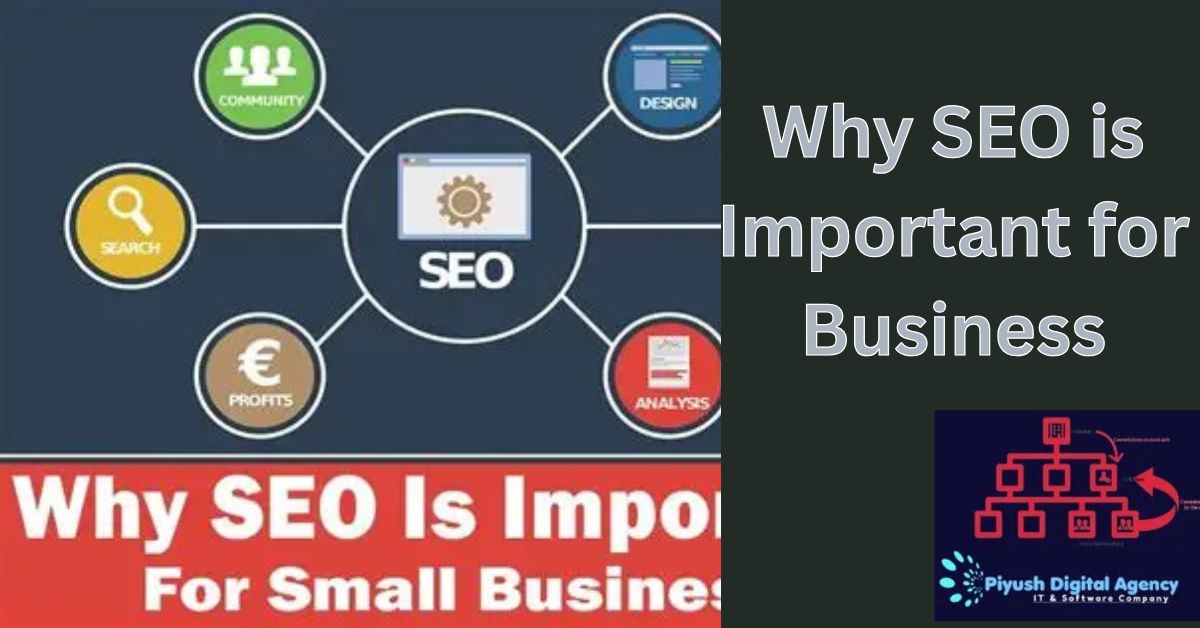
Why SEO is Important for Business
Search Engine Optimization (SEO) is one of the most powerful tools for any business in today’s digital world. Whether you run a small shop or a large company, your customers are searching online before making decisions. If your business doesn’t appear in search results, you’re missing out on opportunities.
Here are the main reasons why SEO is important for business:
- Increases Online Visibility
SEO helps your website rank higher on search engines like Google. The higher you rank, the more people see your business. - Builds Trust and Credibility
Websites that appear on the first page of search results are often seen as more reliable and trustworthy by customers. - Drives Targeted Traffic
SEO attracts people who are already looking for your products or services. This means the traffic coming to your website is more likely to convert into sales. - Cost-Effective Marketing
Unlike paid ads, SEO continues to bring traffic even when you’re not spending money every day. It’s a long-term investment. - Improves User Experience
Good SEO practices make your website faster, mobile-friendly, and easier to navigate—things customers love. - Gives Competitive Advantage
If your competitors are doing SEO and you’re not, they will capture more customers online. Having strong SEO keeps you ahead in the game. - Supports Long-Term Growth
Once your website starts ranking well, it can generate consistent traffic and leads for years, making SEO a sustainable strategy.
may to click here : SEO is Important for Business ;Why SEO is Important
